How will we be living, working and playing in the year ahead? We identify the trends that will shape the Cape Town Central City’s urban landscape in 2020.
1. Micro apartments
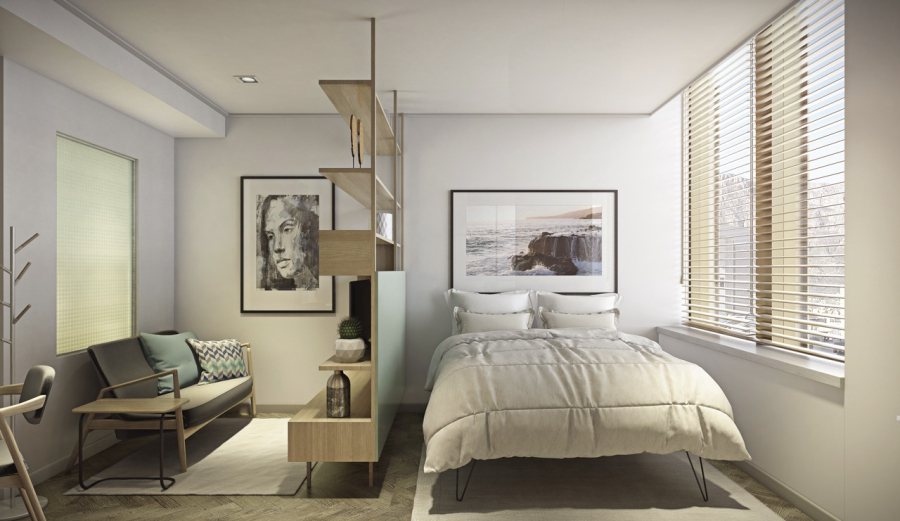
Young professionals and investors are buying into the emerging micro-apartment trend and are increasingly opting to sacrifice space for a convenient or fashionable location and shared communal facilities. They are purchasing more compact homes which allow for the work-live-play lifestyle in the heart of a business growth node. Exciting new developments propelling this trend are the conversion of the iconic Absa building into Foreshore Place, on the corner of Adderley and Riebeek streets, The Heriot City Centre Apartments on St Georges Mall and The Harri in the East City’s Harrington Street.
2. Green buildings
Faced with soaring energy costs, repeated bouts of load shedding and the prospect of ongoing water restrictions, there is a growing demand for energy- and water-efficient features in both commercial and residential properties. In the Cape Town CBD, many of the new developments include green features. The CTICC 2, for example, which was launched in 2018, has a five-year strategy to incorporate greater investment in generating electricity more sustainably and reducing consumption, using methods such as photovoltaic solar panels, solar water heating and heat pumps. The CTICC also has its own water-generating plant. (See our interview with outgoing CTICC CEO Julie-May Ellingson here.)
3. East City
The East City precinct continues to surprise and delight. Investment in the area continues to grow, boosting its popularity. Hip-and happening Harrington Street, which will see a new mixed-use development, The Harri, open its doors in 2020, remains a destination for fashionable food and entertainment venues.
4. Art in the CBD
The gallery scene in the heart of Cape Town continues to expand and mature at a rapid rate. Added to that, there are also at least 44 artistic studios in the Central City. We predict First Thursdays will continue to attract the art-loving crowds in 2020, reflecting a greater interest in art as well as events such as the annual Investec Cape Town Art Fair and Infecting the City, indicating that art in the CBD is poised to go from strength to strength.
5. Co-working spaces
As the tech hub of South Africa, Cape Town has seen the launch of numerous co-working spaces, particularly in the city centre. At present, there are 17 co-working spaces in the CBD, giving entrepreneurs the opportunity for collaboration and networking. And more importantly, shorter rental periods and greater flexibility with no start-up costs as these plug-and-play offices have everything from desks and chairs to high-quality connectivity and eateries. Some of the co-working spaces in the CBD include Cube Workspace, Inner City Ideas Cartel, Akro Co-working Space and Tiny Empire.
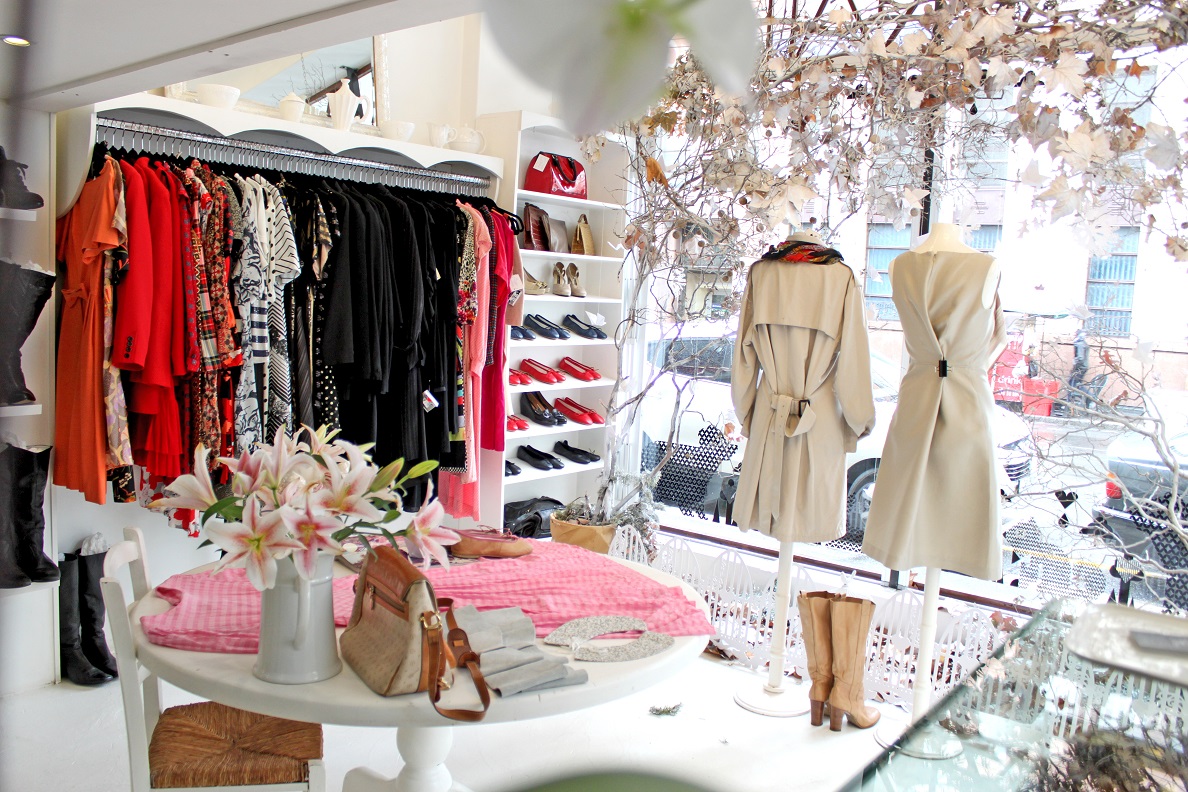
Vintage store, Afraid of Mice
6. Vintage revival
The movement to live more consciously and re-use and recycle is alive and well in downtown Cape Town, especially when it comes to vintage clothing and jewellery. This follows the global trend to buy pre-owned pieces or rework them. A recent article in The Guardian reported on a study that showed that in 2018, 64% of women were willing to buy pre-owned pieces compared with 45% in 2016. By 2028, it is predicted that 13% of the clothes in women’s wardrobes will be second-hand. The vintage trend is likely to grow next year in the CBD, with characterful shops like Babette, Unseen, Afraid of Mice and Gracious Daisy Vintage leading the way.
7. Sneaker culture
All hail, the sneaker! The rise of sneaker culture is well-documented in the Central City and we don’t see it letting up any time soon. The demand for retailers selling sneakers across all price ranges is not about to fade. At present, there are about 15 sneaker retailers in the CBD, with Jack Lemkus, Sneaker Cartel, Shelflife and Archive leading the way. As footwear designers expand their repertoire with a whole range of new sneaker permutations, it’s clear the sneaker is adding new energy in formalwear and is here to stay.

8. Mindful drinking
Mindful drinking is an emerging trend of choosing low- and non-alcoholic drinks for both health and social reasons. Barry Tyson, co-founder of Mindful Drinking SA, says the trend towards non-alcoholic drinks is only going to get bigger as awareness increases and their taste improves. He believes that in a country like South Africa, with its huge drinking culture, there is a need for people to become more aware of alcohol-related issues, and opt for healthy and tasty alternatives. Watch out for non-alcoholic beers, wines and spirits on menus in eateries across the CBD.
9. Rooftop gardens
This developing global trend, already entrenched in Jozi, is a growing one in the CBD. Climate change, which insists on the greening of cities and the reduction of food miles, is likely to propel this trend, as well as the growing number of permanent residents in our downtown. Not only do rooftop gardens provide a green sanctuary for inner-city residents, they allow small-scale farmers to access rooftops to grow organic produce for neighbouring restaurants and markets. In addition, rooftop leasing is another emerging trend. In one example, the rooftop at The Terraces (34 Bree St) has been converted into a high-quality lounge with panoramic views over the city, which can be used for working, meetings, or leisure time.
10. African food
African Cuisine, your time is now! Last year saw the rise in popularity of cuisine from the African continent and the signs are there that the trend will be consolidated in 2020. Food from West Africa, apparently, is on the list of top food trends for this year, according to Amazon’s Whole Foods. With its array of restaurants serving African food, the CBD is on the button. Some of the top African restaurants in the CBD include Madam Taitou, Mama Africa, Lucy Ethiopian Restaurant and Mariams Kitchen.
Note: This article was first published in the Summer 2019-20 issue of the CCID’s quarterly community newspaper, City Views.
IMAGES: www.mindfuldrinking.co.za, Karl Rogers Photography, CTICC